
In this section
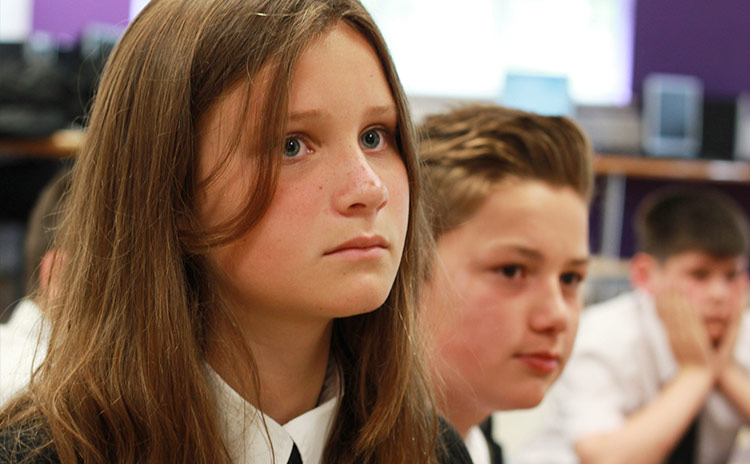
Southmoor Academy takes bullying seriously and does not tolerate bullying behaviour of any kind. To prevent bullying by developing a safe and supportive environment in which all pupils can feel secure. We encourage all pupils to tell an adult if they are being bullied. Pupils, parents and carers should understand that reporting bullying is essential and be assured that the school will support them fully when bullying is reported.
Bullying includes being teased about race, religion, culture, disability, social class, gender, sexuality, personal differences, performance at school or any other matter.
Bullying includes pupils not being made to be unhappy by unpleasant notes, letters, text messages, e-mails, phone calls or through any other form of cyber bullying, by form of gossip, or by any other means. On this page you will find helpful advice on how to avoid being the subject or bullies and what to to do if you find yourself the target of them.
Helpful Advice & Information
What You Should Do:
- TELL someone you can trust! A problem becomes smaller if it is shared. Remember, you can send a message to your House-Leader here.
- WALK away if you can. It’s still hard to bully someone who won’t stand still.
- STAY with a crowd. Try not to be on your own at the times you don’t feel safe.
- KNOW and AVOID the “danger” areas.
- KEEP a record of what is happening.
- DON’T be embarrassed to ask for help. We all need it sometimes.
- TRY to support other victims.
Essential Guide for Parents:
- TALK to your child on a regular basis, so any problem is easier to share.
- LISTEN to what they say – and believe it.
- ENCOURAGE your child to feel good about themselves realising that we are all different and equally important.
- THINK back to your own childhood. How did YOU feel?
- IF you believe your child is being bullied or is a bully, talk to other adults at home or school and explore the options. Don’t stay silent.
- IF your child is a victim assure them that it’s not their fault, and that you ARE going to do something to help.
- BE realistic in your expectation if the school have agreed to sort it out. Ongoing problems may take time to resolve.
- TRY to be assertive with the school, not aggressive. Without a good working relationship between parents and the school the situation could deteriorate, which won’t help you or them.
- ALWAYS remember that children can’t solve bullying alone. They NEED support.
What is Bullying?
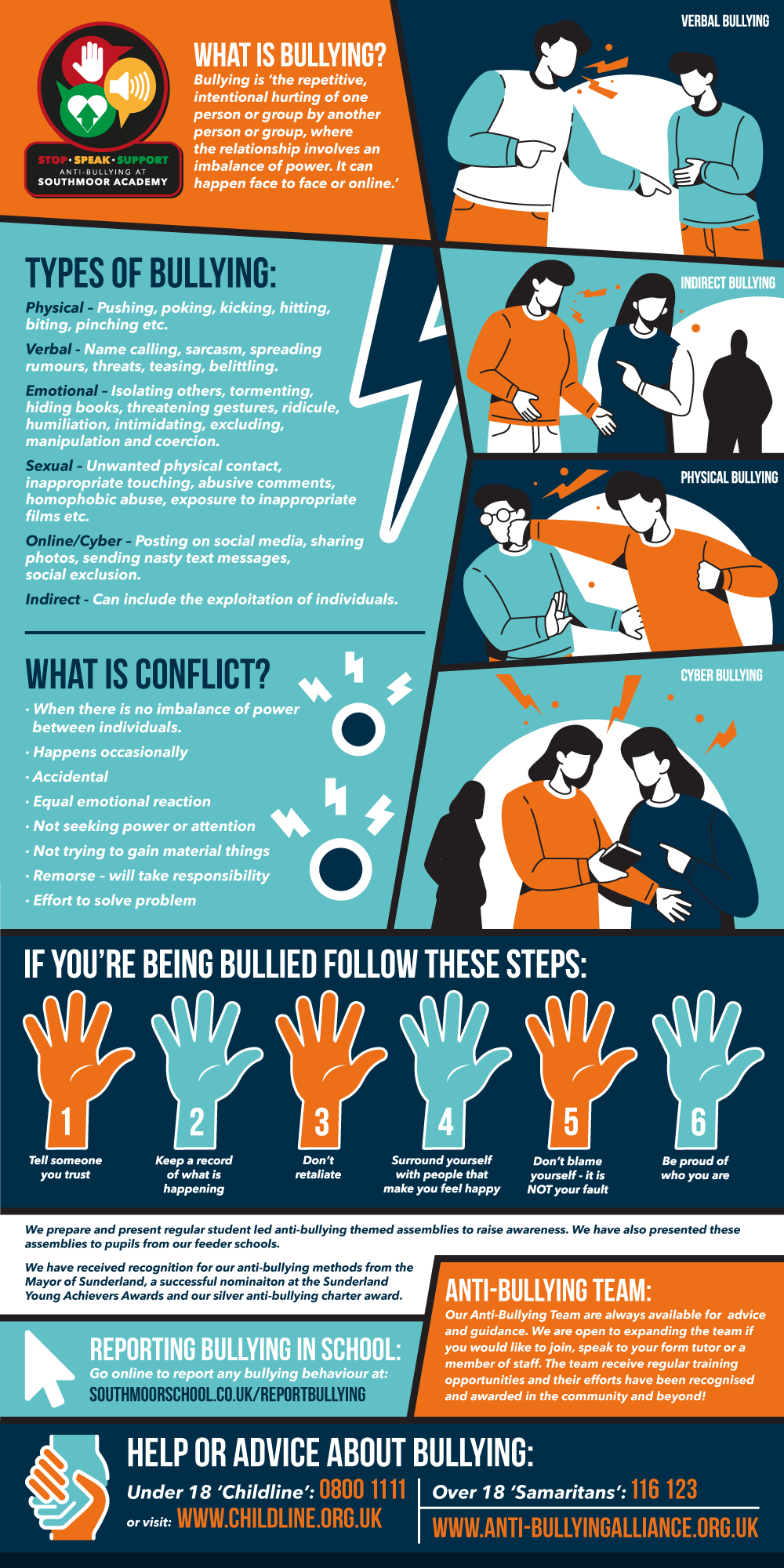
Bullying is a subjective experience and can take many forms, making it extremely difficult to define. Children, young people and adults can instigate bullying. The nature of bullying is changing and evolving as technology develops.
Bullying is harmful to all involved, not just the bullied, and can lead to self-doubt, lack of confidence, low self-esteem, depression, anxiety, self-harm and sometimes even suicide. Bullying generally fits into one of two categories: emotionally or physically harmful behaviour.
This includes:
Name-calling; taunting; mocking; making offensive comments; kicking; hitting; pushing; taking belongings; text messaging; emailing, gossiping; excluding people from groups; and spreading hurtful and untruthful rumours. Definitions are different and individuals have different experiences; however, from the accounts we have heard from children and young people we consider bullying to be:
- Repetitive, wilful or persistent
- Intentionally harmful, carried out by an individual or a group
- An imbalance of power leaving the victim feeling defenceless
Do You Need Help?
If you are worried about bullying and need help and advice, please contact one of the organisations below. All the organisations listed are members of the Anti-Bullying Alliance, which means that they have agreed to work together to stop bullying.

CEOP works with child protection partners across the UK and overseas to identify the main threats to children and coordinates activity against these threats to bring offenders to account. They protect children from harm online and offline, directly through NCA led operations and in partnership with local and international agencies.
Helpful Links
- Childline – http://www.childline.org.uk/ – Phone 0800 1111
- NSPCC – http://www.nspcc.org.uk/html/home/home.htm
Phone 0808 800 5000 (textphone: 0800 056 0566) - There-4-me – http://www.there-4-me.com/
